By Dr Qing Ge, Registered Acupuncturist/ Chinese Medicine Practitioner
Dragonfly Acupuncture & Chinese Medicine
Introduction: Fertility and Food
What we eat has a profound influence on reproductive health. In Traditional Chinese Medicine (TCM), diet is seen as a powerful way to support the body’s natural balance, nourish the organs linked to fertility, and build the foundation for conception. Modern nutritional science also supports the role of dietary patterns—such as the Mediterranean diet—in improving fertility outcomes. Together, these perspectives provide practical, holistic guidance for those preparing for pregnancy in Australia.
Chinese Medicine Approach: Tonifying Foods for Fertility
1. Blood-Tonifying Foods
Healthy, abundant blood is considered essential for nourishing the uterus, regulating cycles, and preparing the body for conception. In TCM, “blood deficiency” may present as fatigue, pale complexion, dizziness, or light menstrual flow.
Recommended blood-tonifying foods include:
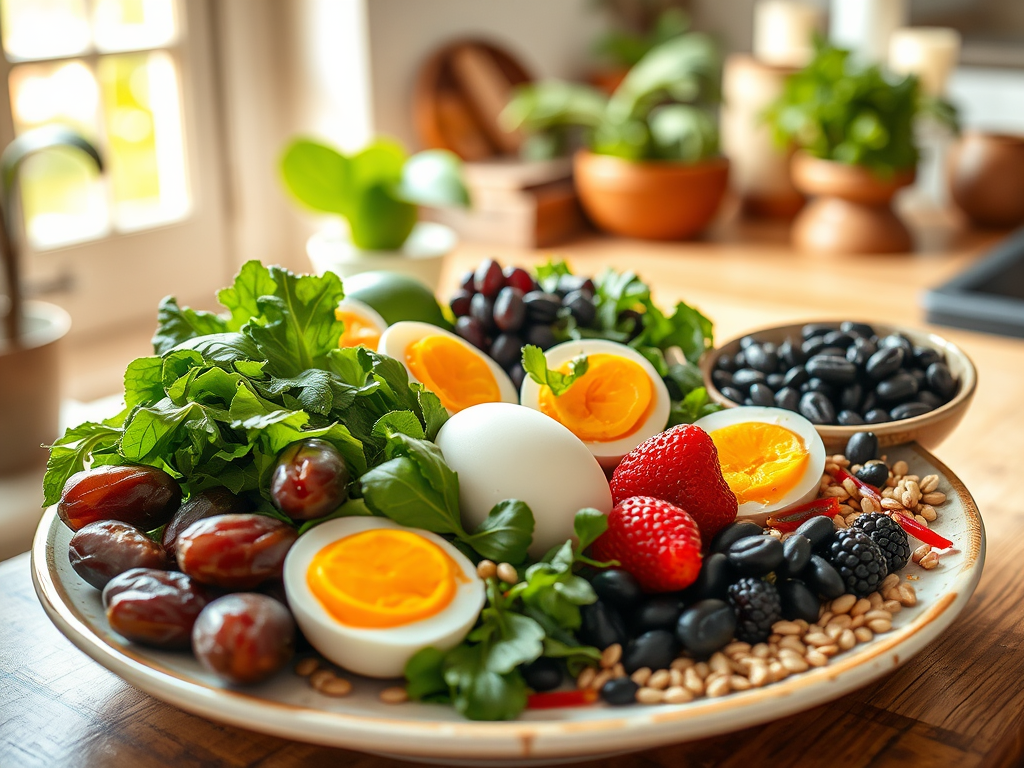
- Dark leafy greens such as spinach, kale, and silver beet
- Beetroot and carrots
- Berries (blueberries, blackberries, raspberries) and dark grapes
- Lean red meats such as beef or lamb, in moderate, balanced amounts
- Eggs
- Black sesame seeds and legumes like kidney beans and black beans
2. Kidney-Tonifying Foods
In TCM, the Kidneys store “essence” (jing), the vital energy connected to growth, development, and reproduction. Supporting Kidney health is a central focus for fertility care.
Foods that tonify the Kidneys include:
- Black sesame seeds
- Black beans, adzuki beans, and lentils
- Walnuts
- Seaweeds (nori, wakame, kelp, used in moderation)
- Bone broth made from chicken, pork, beef with bones
- Mushrooms (shiitake, oyster mushroom, etc)
- Fish such as salmon, sardines, and mackerel
3. Yang-Tonifying Foods
Yang energy represents warmth, circulation, and activity. For some individuals, especially those with signs of “coldness” (cold hands and feet, sluggish digestion, painful or delayed periods), Yang-tonifying foods can provide balance.
Examples include:
- Beef, Lamb and other warming meats
- Garlic, ginger, and cinnamon
- Walnuts
- Onions and chives
Balancing Traditional and Modern Nutrition
While TCM offers a traditional lens, modern research—much of it conducted in Australia—has shown that the Mediterranean dietary pattern also supports fertility. This diet emphasizes whole foods, a high intake of vegetables, fruits, legumes, nuts, whole grains, olive oil, and regular consumption of fish and seafood. Several Australian studies, including research from Monash University, the University of South Australia, and the University of Western Australia, found that this style of eating is linked to better outcomes in natural conception and assisted reproductive treatments such as IVF.
Importantly, while the Mediterranean diet often suggests limiting red and processed meats, this advice can be tailored. For individuals with blood deficiency or higher iron needs, small to moderate amounts of lean red meat may actually be beneficial and should not be excluded. The key is balance—pairing red meat with plenty of vegetables, legumes, and whole grains to ensure overall dietary variety and nutrient richness.
Creating a Fertility-Friendly Diet
For people in Australia preparing for fertility, the best approach is a blend of TCM wisdom and modern nutrition:
- Base meal on whole, fresh foods—vegetables, fruits, legumes, whole grains, nuts, and healthy oils.
- Include TCM blood and kidney tonics—such as black beans, sesame seeds, walnuts, and bone broth.
- Add yang-supportive foods—like lamb, ginger, and garlic—if there are signs of coldness or sluggish circulation.
- Balance protein choices—with fish, poultry, legumes, and, when appropriate, moderate portions of lean red meat.
This integration respects both traditional wisdom and modern science, creating a fertility-supportive diet that is nourishing, balanced, and sustainable.
Conclusion
Food is one of the most accessible tools to support fertility. By combining TCM principles—nourishing blood, tonifying the kidneys, and supporting yang energy—with evidence from modern Mediterranean diet research, individuals can create a diet that strengthens their foundation for conception.
However, every person’s constitution and fertility journey is unique. Consulting with your practitioner is always recommended if there are any questions or uncertainties about diet and fertility.
🌿Book in with Dr Qing Ge, Registered Acupuncturist & Chinese Medicine Practitioner, and begin your fertility journey feeling nurtured, supported, and empowered.
References
- Fertility Acupuncture Brisbane. Eating for fertility: Traditional Chinese Medicine dietary therapy. 2021. Available from: https://www.fertilityacupuncturebrisbane.com/eating-for-fertility
- Ried K, Stuart K. Efficacy of Traditional Chinese Herbal Medicine in the management of female infertility: a systematic review. University of Adelaide. 2011. Available from: https://thegroveclinic.com.au/pages/research-on-chinese-medicine-and-infertility
- Liao J, et al. Whole Systems Traditional Chinese Medicine as an adjunct to IVF: a retrospective cohort study. The Grove Clinic. 2015. Available from: https://thegroveclinic.com.au/pages/research-on-chinese-medicine-and-infertility
- University of South Australia / Monash University / University of the Sunshine Coast. A Mediterranean diet not only boosts health but also improves fertility. 2022. Available from: https://www.unisa.edu.au/media-centre/Releases/2022/a-mediterranean-diet-not-only-boosts-health–but-also-improves-fertility
- University of Western Australia. Mediterranean diet can improve chance of IVF success. 2023. Available from: https://www.uwa.edu.au/news/article/2023/december/mediterranean-diet-can-improve-chance-of-ivf-success
 Dragonfly Acupuncture & Chinese Medicine