
By Dr Qing Ge, Registered Acupuncturist/ Chinese Medicine Practitioner
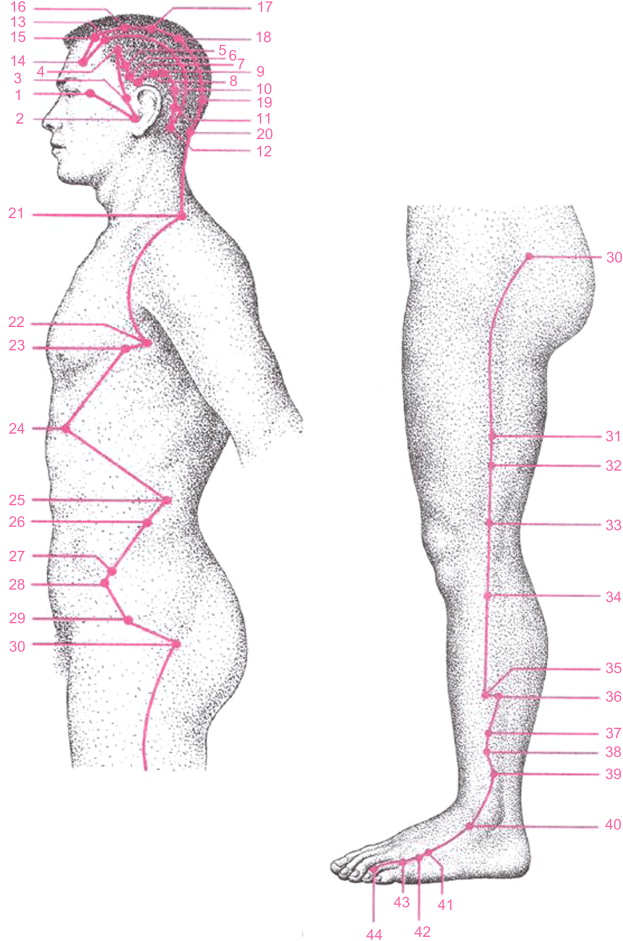
In Traditional Chinese Medicine (TCM), the Gallbladder plays an important role in both physical and emotional health. It works closely with the Liver and is responsible for storing and releasing bile to support digestion. In TCM, the Gallbladder is also linked to decision-making, courage, and the ability to take action.
An interesting cultural note is that in Chinese, the word for courage is “胆量” (dan liang), which literally translates to the amount or volume of the Gallbladder. This reflects the traditional belief that a strong Gallbladder supports confidence, clear thinking, and emotional steadiness.
The Gallbladder Meridian and Common Symptoms
The Gallbladder meridian runs along the side of the head, down the neck, across the ribs and hips, and along the outer legs to the feet. When this pathway becomes tight or blocked, symptoms often appear along its route.
Common signs include migraine or headache on one side of the head, especially around the temple or behind the eye, neck and shoulder tension, dizziness, a bitter taste in the mouth, rib-side tightness, and emotional symptoms such as frustration or feeling stuck.
In the lower body, Gallbladder imbalance may present as hip pain, outer thigh pain, knee pain, or sciatica-type pain that starts from the hip or buttock and radiates down the side of the leg. This pain pattern often follows the Gallbladder pathway and may not show clear findings on scans or imaging.
These symptoms are commonly linked to long-term stress, emotional suppression, irregular sleep, or exposure to cold and damp conditions, such as excessive air-conditioning.
Gallbladder Time and Sleep
In the 子午流注 (Zi Wu Liu Zhu – the Chinese circadian clock), the time between 11pm and 1am (子时 – the Zi hour) is when the Gallbladder meridian is most active and “on duty.” Being in deep sleep during this time is important for Gallbladder function, emotional regulation, and recovery. Ongoing late nights or disrupted sleep during this window may weaken the Gallbladder system and contribute to headaches, muscle tightness, digestive discomfort, and fatigue.
Likewise, difficulty falling asleep or staying asleep during this time may indicate imbalance along the Gallbladder channel. Noticing this pattern early can be helpful as a preventive sign, allowing imbalance to be addressed before symptoms progress further.
Acupuncture and Gallbladder Conditions
Acupuncture is commonly used to help restore smooth Qi flow along the Gallbladder meridian, reduce pain, and calm the nervous system. In clinical practice, certain Gallbladder points are used frequently due to their consistent effectiveness.
For migraine and one-sided headaches, GB1 and GB15 are often used as local points around the eye and temple. For hip and leg pain, especially pain that radiates down the outer leg, GB30 and GB31 are commonly selected. For many Gallbladder-related conditions — including headaches, hip and leg pain, and general Gallbladder imbalance — GB40 and GB41 are frequently used, as they help regulate the Gallbladder channel effectively.
These points have been used repeatedly in clinical practice with good results, particularly for pain patterns that follow the Gallbladder pathway.
Supporting the Gallbladder Pathway at Home
Daily habits can also help keep the Gallbladder channel flowing. Gentle tapping or massage along the outer thighs and hips can improve circulation and reduce tension. Keeping the legs warm, using heat packs or foot soaks, and avoiding prolonged exposure to cold can be helpful.
Managing stress is equally important. Allowing emotions to move rather than being held in, keeping a regular routine, and prioritising rest all support Gallbladder balance.
A Clinical Observation from Practice
A clinical experience from practice highlights how the Gallbladder pathway can present in unexpected ways. I once treated a patient with ongoing leg pain that had no clear medical explanation. Scans and tests showed nothing abnormal, and his doctors could not identify the cause. On assessment, the pain followed the Gallbladder meridian exactly along the outer side of his leg.
An important detail later emerged — the pain began after his gallbladder had been surgically removed. After acupuncture treatment focused on the Gallbladder pathway, his pain reduced by 80% after three sessions, and was fully resolved after five treatments.
Over time, I have also noticed similar patterns in other patients who have had their gallbladder removed, later presenting with Gallbladder-pathway pain, migraine headaches, or digestive issues, even when medical tests appear normal. From a Chinese medicine perspective, although the organ may be removed, the pathway and its energetic function still remain within the body.
If you recognise any of these patterns in your own health, acupuncture treatment may offer support. Please feel free to reach out or book an appointment to explore this further.
 Dragonfly Acupuncture & Chinese Medicine